Meet Gen Alpha: The first AI-native generation

Gen Alpha didn't grow up with AI. They grew up inside it.
Boomers, Millennials, and Gen Z all met the internet at some point, whether it was dial-up, flip phones or the first gen smartphone. Who doesn’t remember the dial up tones of what connecting to the internet sounded like and the thrill that elicited, knowing it meant you’d be able to talk to someone halfway across the world through whatever chat program you were using - AOL, IRC, ICQ and even Yahoo! messenger. Gen Alpha, born between 2011 and 2024, doesn't have a before. Algorithmic discovery, AI chat, and recommendation engines aren't tools they adopted, but defaults they simply grew up with.
That rewires how trust is earned, how products are found, and what a “relationship” with a customer is supposed to feel like. Ask a Gen Alpha what “brand” means, and you're asking someone who has never known a world without a machine standing between them and every purchase decision.
Why should we pay attention to Gen Alpha now?
Gen Alpha are already spending, and they're influencing what everyone else (at least in their household) spends on too. They may not run economies for another decade, but they are already running companies that are influencing their entire generation and the ones above. Sincerely Yours, founded by 16 year old Salish Matters, is a teen skincare line made by a teen, for teens. Launched on September 6 2025 at Sephora (which historically requires at least US$50M in revenue before putting a brand on their shelves), Sincerely Yours is backed by nearly $7 million from investors and run day-to-day by a CEO who previously led Sweaty Betty. Sincerely Yours changes the game, positioning itself to rebuild trust with parents while empowering their very sticky teen customers.
Gen Alpha is also the largest generation on record, with almost 2 billion people worldwide, and in the US alone they already command $101 billion in direct annual spending power, shaping purchasing decisions in more than two in five households. US Gen Alphas spend roughly $45 of their own money every week, from a generation whose oldest members have only just turned 15 - that’s close to $50 billion a year in pocket money alone. Zooming out to the next decade and that number gets truly impressive: Gen Alpha's purchasing power in Southeast Asia is projected to hit $5.39 trillion, more than double Millennials’ ($2.5 trillion) and nearly double Gen Z's ($3 trillion).
Discovery doesn't start with a search bar anymore
Forget the brand website and the store search box. For Gen Alpha, product discovery starts in two places: the creators they watch, and increasingly, the AI they ask. A recommendation now arrives via a TikTok video or a ChatGPT query, not a page of search results.
Roughly three in four Gen Z expect to use AI at every step from discovery to purchase, and shopping queries inside ChatGPT doubled in just the first half of 2025. Gen Alpha will likely establish the same habit before they can legally drive. In Singapore, more than half of eight-year-olds have already used an AI tool, climbing past 70% by age ten and over 90% by thirteen. One in five Filipino parents already admit their kids know more about AI than they do.
This is in line with how this generation treats the internet more broadly. They're the first cohort who never lived without it and they are marketing-savvy, privacy-aware, and prolific users of ad blockers. Only 29% of Gen Alpha in the UK and US trust what they see in online advertising. With ads discounted, they lean on the people and communities they follow instead, which is exactly why social commerce in Southeast Asia has climbed from under 5% of e-commerce to as much as 25% today, on track for $186.5 billion by 2030 and growing 2.5x faster than traditional online retail. Six in ten APAC Gen Alpha say they've bought something after an influencer endorsement, and across Southeast Asia, influencers remain the single most-used channel for pre-purchase research, at 51%.
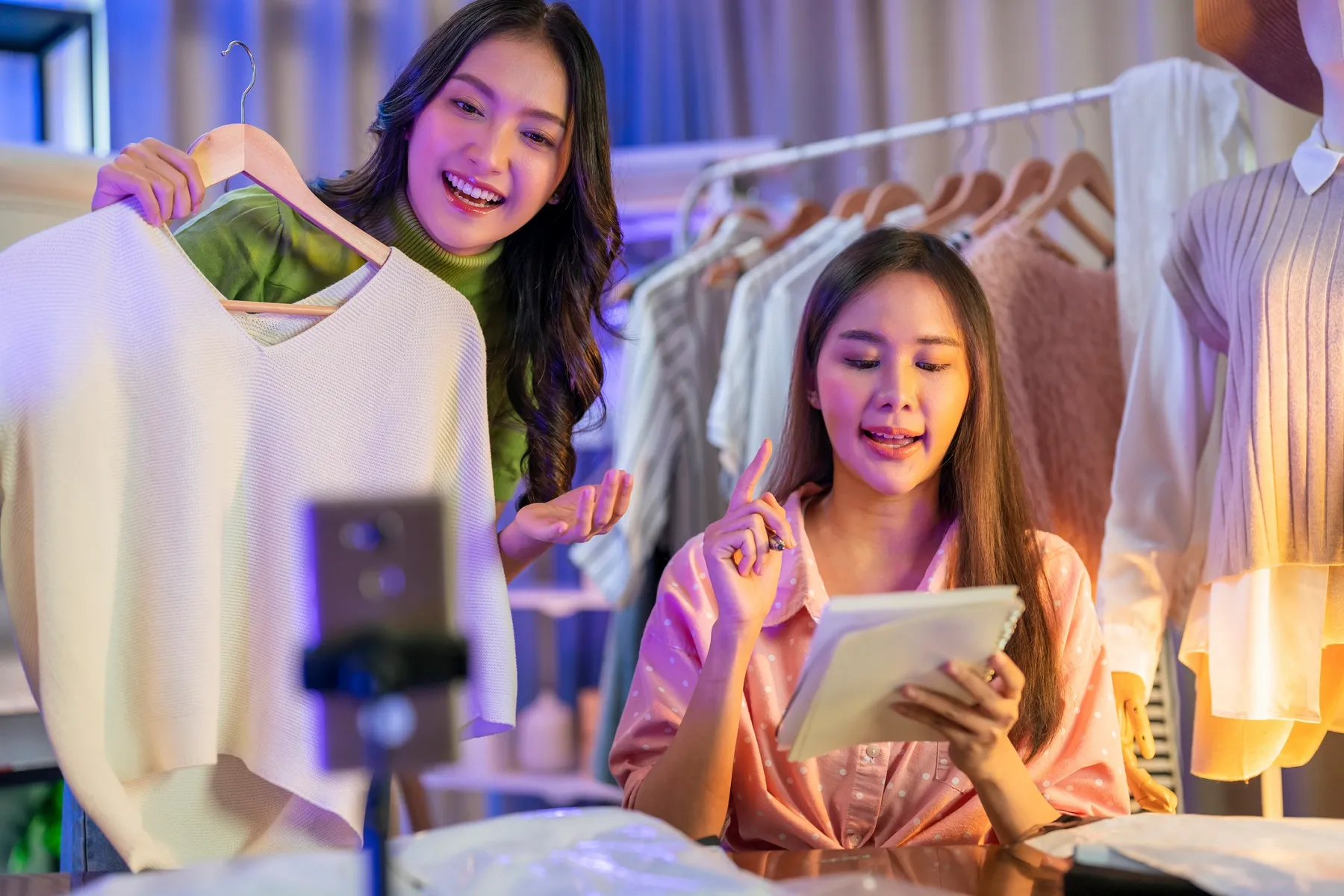 The rise of social commerce and influencer endorsement has resulted in an uptick of instore livestreams
Generative AI, notably, is still the understudy here, not the star. Only 24% of Southeast Asian consumers currently use it to discover products, rising to 34% in Vietnam and 31% in Indonesia, but just 14% in Singapore, where digital habits are more entrenched. It still trails marketplaces (71%) and influencers (39%) by a wide margin, with 40% of consumers claiming that AI hasn't changed how much they lean on creators at all. The takeaway for anyone building a brand in the region is that AI is a channel to watch.
So what are they actually “discovering”? Beauty leads, with Gen Alpha already driving 49% of its sales growth. Gaming and virtual goods sit close behind, with 94% of Gen Alpha consumers calling themselves gaming enthusiasts, alongside collectible toys, snacks and apparel they are now picking out for themselves. TikTok owns beauty discovery, YouTube owns their attention, at roughly 84 minutes a day, and Roblox is both their playground and storefront. Across Southeast Asia, marketplaces still win the discovery war. Seven in ten consumers find new products there first, ahead of search engines (57%), brand websites and social (40%), influencers (39%), and generative AI (24%).
For this generation, social platforms aren't a channel bolted onto shopping. They are the shop. And what wins them over isn't polish, but proof. Peer reviews, community ratings, and creator recommendations are more convincing than any ad campaign. From TikTok Shop to “phygital” pop-ups, the brands earning trust are the ones showing up organically inside the community, not shouting at it from outside.
Growing up with no “normal” to return to
Gen Alpha are growing up in a time of chaos — starting with a global pandemic, geopolitical tensions resulting in wars and shifting political alliances and axes of power, and an AI transformation threatening traditional jobs. Against a backdrop that heavy, the silly and the chaotic aren't distractions. They're relief valves. Labubu figures, Sonny Angels, and surreal humor are examples of a broader pattern where silly just feels seamlessly integrated into everyday life.
It shows up in what they buy, too. When 81% of global youth would rather be known for their interests than their age, the parental veto stops being “is this age-appropriate?” and becomes “does this look like me?”. Gen Alpha treats consumption as a form of play, with the intention of buying things to stand out, not to fit in.
What earns their trust also runs on the same instinct. A quarter of APAC Gen Alpha say they shop with brands that “understand me,” and 23% shop with brands that “represent my values.” Raised entirely online, they can spot a manufactured campaign from a scroll away and reward the opposite. In beauty, that means favoring glowing, natural skin over airbrushed perfection, and micro-influencers over celebrity gloss.
In Japan, KOSÉ and Shu Uemura understand this well: their limited-edition anime “J-collabs” turn everyday SKUs into scarce, collectible drops that feel authentic rather than manufactured, and convert fandom into repeat purchase. Ask US Gen Alpha which brands feel made for them, and LEGO tops the list at 58%, ahead of Nike/Adidas (40%), Apple (26%), and Sephora (15%), showing the alignment with brands that lead with play and identity, not polish.
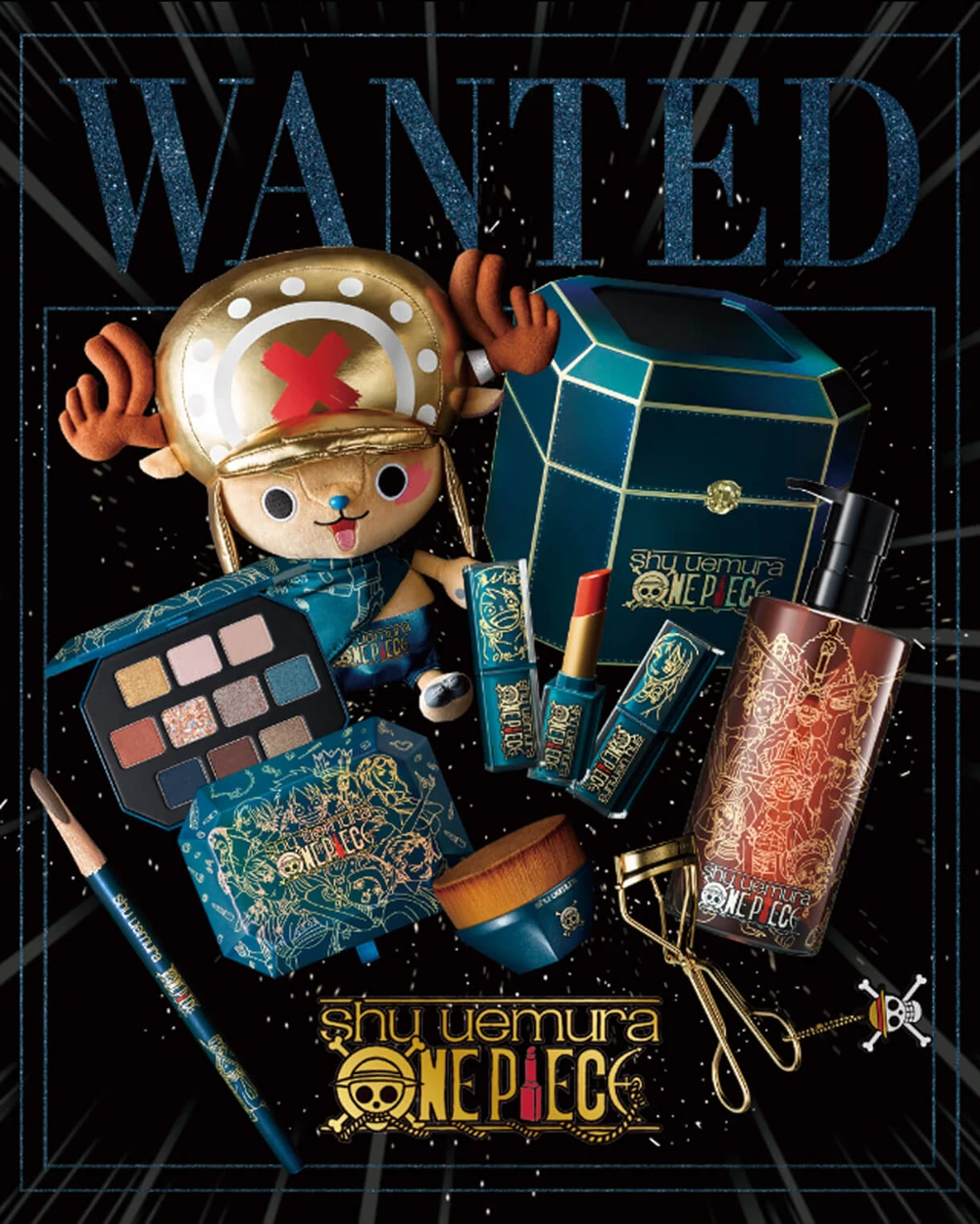 Shu Uemura x One Piece limited edition makeup collection
None of this stays with the kids, either. It becomes the household's taste. In the US and UK, eight in ten parents say their kids call the shots on back-to-school shopping, and six in ten name their child as their number one source of brand discovery. Across APAC, the influence is just as pronounced, with 69% of parents choosing a holiday destination based on what their kids want. Across Southeast Asia, 85% of parents say their children are the reason they discovered a brand at all.
They're not just spending. They're earning.
If discovery and taste show how Gen Alpha consumes, money shows how they produce, and this is a strikingly entrepreneurial generation. Two things are enabling this with striking acceleration.
First is access. Where making money once required an employer, now it just requires a screen. Roblox, TikTok, and YouTube aren't just for entertainment anymore. They're business incubators. Second is upbringing. Raised by financially stretched Millennial parents who talk about money out loud — 63% of 10-to-14-year-olds regularly hear their parents discuss finances, and over half of households cover budgeting before a child turns four — Gen Alpha absorbs financial literacy early. The result isn't anxiety without action: 83% of Gen Alpha in APAC worry about their financial future, and 30% are already saving specifically so they won't need to rely on their parents.
That mindset is already converting into income. In 2024, 47.1% of Gen Alpha earned money online, through streaming, reselling, and content creation, averaging $13.92 an hour, or roughly $28,000 a year, up 15% on the year before. Much of it runs through play, where kids stream Roblox sessions to thousands of viewers, and Roblox's own DevEx program lets young creators cash out in-game currency for real money, with some teenage developers reportedly earning millions building and selling in-game items.
They're not just earning, either. They're building. 30% of the generation want to be influencers, and nearly a third see brand sponsorship as their most realistic route to real money. Their collective spending power in the US alone is estimated at $11.3 billion. And the ambition already has faces attached to it: child creators like Ryan Kaji, Harper Zilmer, and Ayla Palmer built tens of millions of followers by posting about what they love and monetized it well before their teens. On YouTube, Ryan’s World is one of the best known channels. Run by Ryan Kaji and his parents, Ryan’s World started when Ryan was just a toddler in 2015, posting toy review videos. In 2020, Ryan reportedly made ~US$30M from his videos and product line.
They are already founders
Coco Granderson launched Yes Day at 13, partnering with Ron Robinson, the cosmetic chemist behind Rhode, to build a skincare line explicitly for the age group the rest of the beauty industry kept designing around rather than for. She launched in October 2025 and had an exclusive Urban Outfitters retail partnership within months. Neither brand waited for an adult-run incumbent to notice the gap. They built it themselves, recruited real industry talent and expertise to back them, and went straight to market.
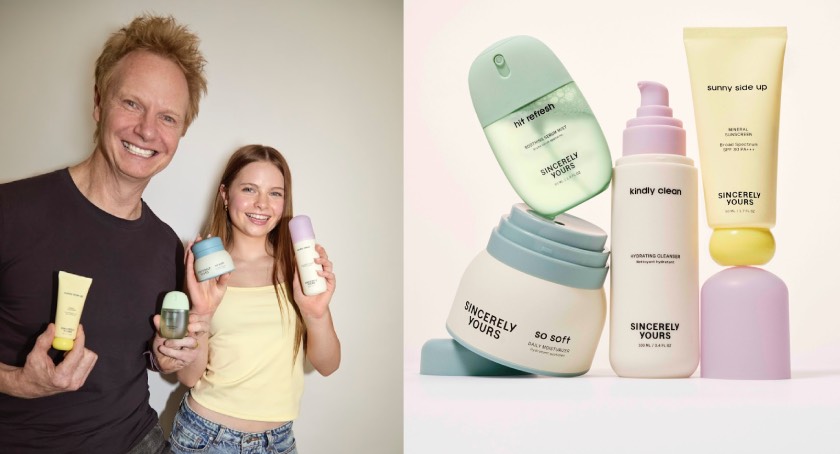 Salish Matter and Jordan Matter, the founders of Sincerely Yours
What this means for anyone building a consumer brand
Gen Alpha isn't a future audience to plan for later. They're already the household's discovery engine, the family's AI translator, and increasingly a small business owner in their own right.
Brands built for a pre-AI world, on trust signals this generation doesn't recognize, will lose. The ones who win will be whoever shows up first inside the communities where Gen Alpha actually decides what is worth paying attention to, and therefore, buying.
Related Posts
SEE ALL
03 Jun 2026

01 Dec 2025

22 Jul 2025
14 May 2025

20 Feb 2025

01 Jul 2024