The Future of Care: Built for the realities of modern family life

Demographic shifts are reshaping family life
Southeast Asia has been experiencing rapid urbanization over the past few decades. In 1975, over 75% of its population lived in rural areas; today that figure has fallen below 50%, and by 2050, nearly 65% will live in cities. This is not just a story of megacities like Bangkok, Jakarta, or Manila — smaller urban centers with populations between 500,000 and five million are also transforming. With this migration comes profound demographic shifts across every stage of family life.
On one end, young people moving to cities are forming nuclear families, resulting in less access to traditional support for child-rearing from relatives and extended family. This shift is giving rise to more non-traditional family structures - from single-parent households to higher rates of divorce and adoption - further reshaping how families access and rely on care. In Thailand, for example, single-parent households have more than doubled over the past two decades (from 8.8% to 20.5%), driving demand for childcare and tools that help parents juggle work, logistics, and finances. Besides, today’s families face growing intergenerational pressures: across the region, younger parents are increasingly part of a “sandwich generation.” In Singapore, nearly two-thirds of parents with young children also report caring for sick family members. In Vietnam, according to a population survey in 2022, the dependency ratio (those under 15 and over 65) reached 47.9% in 2022, up from 45% in 2019, underscoring the rising care burden on working-age adults.
And at the same time, the region’s population is aging. By 2050, one in five East and Southeast Asians will be over 60, placing new demands not just for childcare and household support, but also for elder care and end-of-life planning.
Together, these shifts are giving rise to the Future of Care: a comprehensive ecosystem of technologies and platforms that empower individuals and families across every dimension of daily life: childcare, household coordination, and life transitions. Unlike previous generations, who could rely on a stay-at-home parent or support from extended family and neighbors, today’s urban families increasingly turn to structured, tech-enabled solutions. This marks a structural shift from informal, community-based help toward formalized systems of family support and household management built for the realities of modern living.
Future of Household: New infrastructure for daily living
Today’s households operate less like homes and more like small enterprises. Parents are effectively co-CEOs, managing logistics, finances, and human resources — from scheduling dentist appointments to restocking groceries and coordinating childcare. Yet unlike actual companies, most families run without systems, dashboards, or automation. The result: endless “shadow work” that falls disproportionately on mothers, who continue to carry the invisible load of household management.
Home Inc.: Running families like enterprises
This operational gap is fueling the rise of what we call Home Inc. — technology that is designed for families to streamline everything from resource allocation to workflow efficiency. Globally, platforms such as Cozi, a U.S. family organizer used by more than 20 million people, demonstrate how a simple shared interface for calendars, lists, and meal plans can create real productivity gains at home. And with AI now stepping into the home, newer entrants like Joy Parenting Club show what the next leap looks like: instead of grandparents downstairs or aunties dropping by, Joy turns that entire “supporting village” into an always-on digital support team - using AI to deliver personalised guidance once locked behind expensive sleep consultants, lactation experts, and behavioural therapists, all for just US$12 a month. And investors are taking notice: the company just raised US$14M in its Series A in November 2025, co-led by Forerunner Ventures and Raga Partners. These tools turn the messy, invisible workload of family life into something more organized, coordinated, and manageable.
In Southeast Asia, the demand is even more acute. With no integrated solution for families, parents in major urban centers rely on fragmented services: Whiz in Indonesia covers family finance, Jupviec in Vietnam offers on-demand home services, while platforms like Serbiz in the Philippines and Quest in Singapore provide piecemeal support. With 59% of Southeast Asian mothers reporting they struggle to balance family and work, the need is clear for solutions that help parents bridge the gap in managing modern family life.
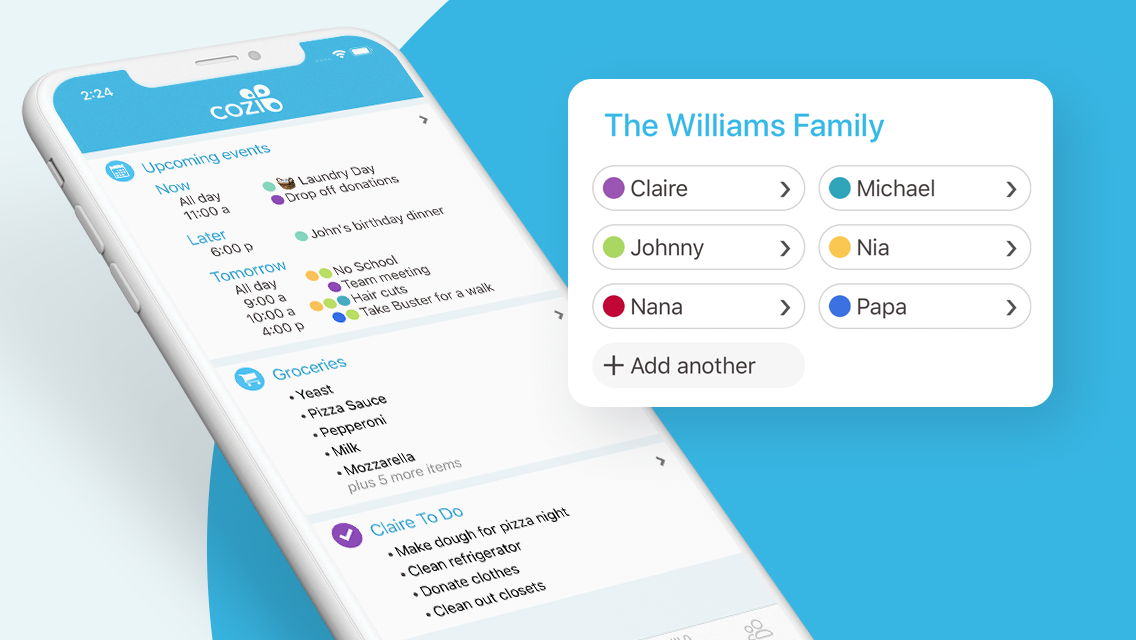 Cozi helps busy families coordinate schedules and reduce mental load.
Childcare and parenting solutions:
If the household is an enterprise, then childcare is its most expensive and high-stakes division. Raising children has become one of the most resource-intensive operations for modern families, demanding constant time, coordination, and capital. Globally, the AI-enabled parenting and childcare market is projected to grow from US$4.7B in 2024 to US$35.2B by 2034 (CAGR 22.4%), reflecting the scale of unmet demand. In the US, platforms like HopSkipDrive, which has raised US$100M, solves the “who drives the kids to school?” problem with safe and reliable transportation. Similarly, Giftster helps families track gift-giving across birthdays, holidays, and milestones — a small but meaningful way to take stress out of family logistics. Babylist, provides gift registries and planning, has scaled into a business generating US$500M annually, showing the parents’ spending power in this category.
In Southeast Asia, where public childcare infrastructure is less structured, the opportunity is even clearer. Indonesia’s Kinder Castle is addressing the severe shortage of daycare centers by creating a standardized playbook to recruit, train, and build a trusted network that gives parents confidence in care quality. Malaysia’s Kiddocare links families to vetted babysitters not only for daily care but also for homework supervision or event support, with real-time updates sent directly to parents’ phones. These solutions relieve the pressure on working families and provide reliable childcare — a role once played by extended relatives.
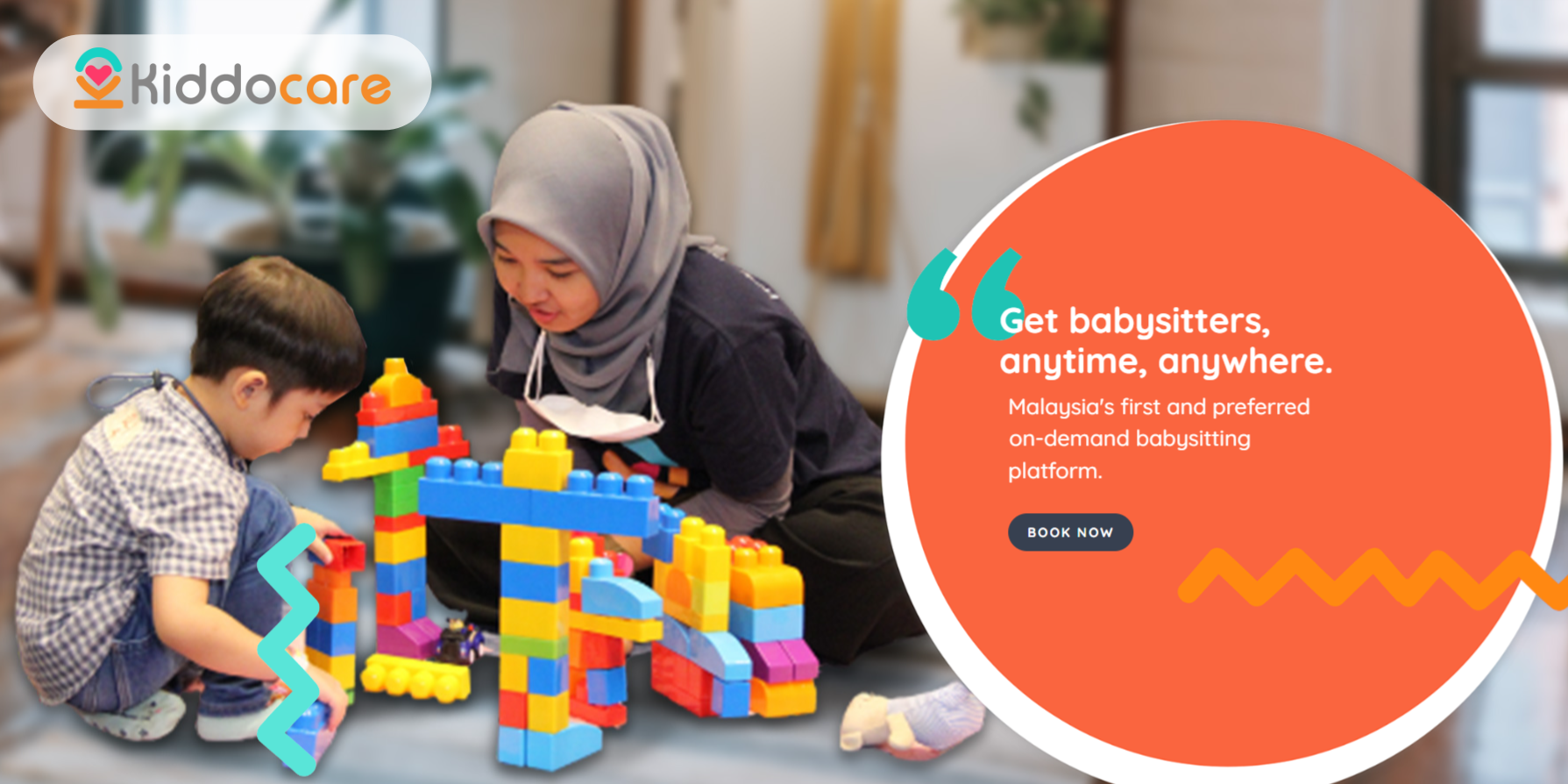 Kiddocare helps Malaysian parents to find trustworthy babysitters anytime, anywhere.
Death Care: Making the final exit easier to handle for those left behind
Another aspect of life that has long been neglected is its final transition — death. For families, grief is compounded by the practical burden of funerals, finances, and paperwork. This mix of emotion and logistics has left the sector slow to evolve, but the scale of need is undeniable. In Southeast Asia, aging is accelerating: the population aged 65 and above has surged from 39.3 million in 2013 to 56.2 million in 2025 — a demographic shift that will inevitably drive a sharp rise in deaths in the coming decades. Globally, this growing need is reflected in a death care services market valued at US$137.5B in 2024 and projected to surpass US$200B by 2033 (CAGR 4.2%). At its core, families want death to be easier to deal with — with smoother administrative processes and stronger emotional support.
Administrative care & financial continuity
One of the hardest parts of bereavement is the paperwork. Estate planning, asset transfers, and account closures often fall on grieving families at the worst possible time. Global innovators are stepping in: Empathy, valued at US$400M raised US$72M for its Series C in May 2025, blends AI with human guidance to close accounts and settle estates, while FreeWill has already facilitated more than US$5B in wills and estate planning. In Southeast Asia, the same demand is emerging but with local nuance. Malaysia’s Koha Digital delivers Shariah-compliant estate planning aligned with Islamic inheritance law, while Singapore’s Heritance helps families manage intergenerational wealth transfer. In the Philippines, Onora helps overseas Filipino workers arrange funerals remotely via connecting to a wide network of providers, making the process less overwhelming when distance adds complexity.
Emotional care: grief and remembrance
If administrative care secures financial continuity, emotional care ensures remembrance and a space to mourn and celebrate loved ones who have passed on. Families want more than a one-day ritual; they want ways to preserve stories, rituals, and connections across time. In Thailand, SHARESOULS creates digital memorials that become living archives of stories and traditions. Globally, Elizabeth Smile is developing structured grief-support platforms for children who have lost parents, while Eterneva transforms cremated remains into memorial diamonds, giving families tangible ways to stay connected. In the UK, Exit Here, a design-led funeral home backed by private equity, reinvents funerals with personalized planning, while Sparrow from the US reframes death itself as something to be approached with openness and even optimism.
 Exit Here’s coffin, showing a modern and aesthetic approach to death.
A sector long dominated by tradition is now ready for disruption. Families are willing to pay for services that make death easier to manage. For investors, what was once a quiet, traditional, taboo industry is becoming a fast-evolving category with sticky demand, clear willingness to pay, and growing deal flow.
The investment opportunity
The Future of Care is not a distant vision — it is already unfolding. Unlike discretionary consumer categories, this one addresses fundamental needs. Families spend because these are unavoidable needs, they stay engaged because care needs persist, and they trust solutions that deliver.
The biggest winners will not simply digitize existing services, but reimagine care at its core — from platforms that help parents raise children more effectively, to household systems that anticipate daily needs, to end-of-life solutions that manage the full journey.
In Southeast Asia, adoption is not led by early tech enthusiasts but by pragmatic families seeking better ways to live. The founders who build defining platforms will shape how 650 million people in the region experience home, family, and even end-of-life in the next decades ahead.
Related Posts
SEE ALL
12 Oct 2026

03 Jun 2026

22 Jul 2025

14 May 2025

20 Feb 2025

01 Jul 2024